Can You Put Glass in the Microwave in 2026?
Introduction
You’ve got a glass bowl of leftovers, a mason jar of soup, or maybe just a plain drinking glass with some milk in it, and the microwave is sitting right there. Before you press start, it’s worth pausing on a question that trips up more people than you’d expect: can you put glass in the microwave without risking a crack, a shatter, or a ruined appliance? It’s one of those everyday kitchen questions that seems obvious until you actually stop to think it through.
The short answer is yes, but only under the right conditions. Glass itself isn’t the problem — plenty of glass cookware is designed specifically for microwave use. The issue is that not all glass is created equal, and treating every glass item in your kitchen as automatically safe is where things go wrong. A tempered glass measuring cup and a delicate wine glass react very differently to microwave heat, even though both are technically “glass.”
This guide walks through when glass is genuinely fine to microwave, why some glass cracks or shatters while other glass holds up fine, and how to check before you heat anything you’re unsure about — including whether can you put a glass container in the microwave has a different answer depending on what that container was actually made for.
Can You Put Glass in the Microwave?
In general, yes — glass is one of the more common materials used for microwave-safe cookware, and many bowls, plates, and storage containers are made from glass specifically because it handles microwave heat well. Unlike metal, glass doesn’t reflect microwave energy or cause sparking, which makes it a reasonable material for reheating and cooking.
That said, “can glass go in the microwave” isn’t a single yes-or-no answer that applies to every piece of glass you own. There’s an important difference between microwave-safe glass and ordinary glass:
- Microwave-safe glass is typically tempered or borosilicate glass, engineered and tested to withstand rapid or repeated heating without cracking under normal use.
- Ordinary glass — think decorative glassware, thin drinking glasses, or delicate stemware — isn’t manufactured with that same heat tolerance in mind, even though it looks similar on the shelf.
The difference usually comes down to how the glass was made. Tempered and borosilicate glass go through manufacturing processes that make them more resistant to temperature swings, while standard soda-lime glass, the type used in many everyday glasses and jars, is more prone to stress fractures when heated unevenly. This is really the core reason is glass microwave safe has such a situational answer: it depends entirely on which type of glass you’re actually holding, which is also why can you put glass in the microwave rarely has a single answer that covers every item in your cupboard.
Why Can Some Glass Break in a Microwave?
Glass breaking in a microwave almost always comes down to stress the material can’t absorb evenly. Understanding can glass break in the microwave really means understanding these underlying causes, and here’s what typically triggers it.
Thermal Stress
Glass expands slightly when heated and contracts when cooled. If one part of a glass item heats up faster than another part, the uneven expansion creates internal stress. When that stress exceeds what the glass can handle, it cracks — one of the main reasons can you put glass in the microwave doesn’t have a blanket “always” answer.
Uneven Heating
Microwaves don’t always heat food or containers evenly. Some spots absorb more energy than others, especially in irregularly shaped containers or with dense food. This unevenness is a major contributor to hot spots that stress the glass unevenly, rather than the whole item warming at the same steady rate.
Sudden Temperature Changes
Moving glass quickly from one extreme to another, like taking it straight from the freezer and microwaving it immediately, is one of the most common causes of cracking. The rapid shift asks the glass to expand faster than it’s built to handle.
Existing Cracks or Damage
A glass container that already has a small chip, scratch, or hairline crack is far more vulnerable to breaking under heat, since that weak point is where stress concentrates first. Glass that looks fine at a glance can still have damage that isn’t obvious until it’s heated.
Extremely Hot Food or Liquids
Very hot or rapidly heating contents, particularly liquids that reach a near-boiling point quickly, can transfer intense, uneven heat directly to the glass surface touching them, adding to the thermal stress described above.
How to Tell If Glass Is Microwave Safe
Rather than guessing whether can you put glass in the microwave applies to a specific item, there are a few reliable ways to check before heating it.
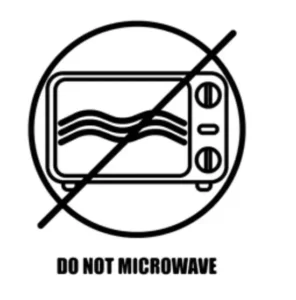
- Look for microwave-safe labeling. Many glass containers have a small symbol, usually wavy lines inside a microwave outline, stamped or printed on the bottom.
- Check the manufacturer’s instructions. Some glass cookware comes with specific guidance about maximum heating times or temperature limits.
- Read the original packaging, if you still have it, since it often states clearly whether can you put glass in the microwave applies to that specific product.
- Inspect the condition of the glass. Even glass that was originally microwave-safe can become risky if it’s chipped, cracked, or has been dropped in the past.
It’s worth being direct here: you shouldn’t assume glass is safe simply because it’s glass. Plenty of glass items, particularly older glassware, decorative pieces, or anything without visible markings, were never tested or designed for microwave use at all. Figuring out what glass is microwave safe really comes down to this short checklist rather than any visual guess.
Types of Glass Containers to Be Careful With
Not every glass item in your cupboard was made with a microwave in mind, and can you put a glass container in the microwave safely often depends on which of these categories it falls into. Here are some common types worth a second look.
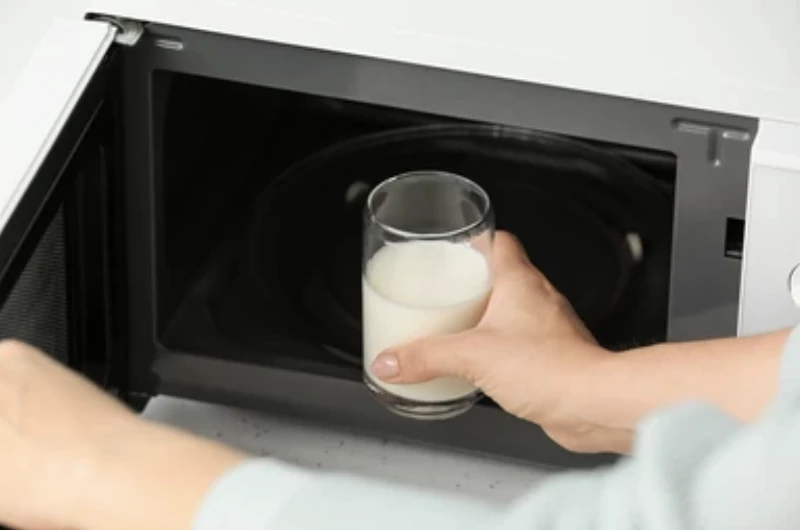
Drinking glasses. Many everyday drinking glasses are made from standard soda-lime glass, which isn’t engineered for the kind of heat stress microwaving can introduce.
Glass jars. Jars originally meant for storage, like repurposed pasta sauce or jam jars, weren’t necessarily designed for heating, even though some are sturdy enough to handle it briefly.
Food-storage containers. Many modern glass storage containers are explicitly labeled microwave-safe, but older or off-brand versions may not be, so it’s worth checking each one individually.
Decorative glass. Ornamental glass bowls, vases, or dishes are made for appearance rather than function, and are generally not a good candidate for microwave use.
Crystal and fine glassware. Crystal often contains different mineral content than standard glass and tends to be more sensitive to sudden heat changes, making it a poor answer to can you put glass in the microwave when the glass in question is crystal.
Very thin or already-damaged glass. Thin glass has less material to distribute heat stress across, and any existing chips or cracks make it considerably more likely to fail under heat.
If you’re wondering whether using aluminium in the microwave is actually safe, it’s worth taking a closer look at the guidelines, risks, and situations where it may or may not be appropriate. Our detailed guide explains what you need to know before putting aluminium foil in the microwave.
Can You Microwave Glass Straight From the Refrigerator?
This is where thermal shock becomes especially relevant. Taking a glass container directly from the refrigerator, or worse, the freezer, and putting it straight into a hot microwave creates a large, sudden temperature difference between the cold glass and the heat being introduced.
That rapid shift is one of the more common ways otherwise sturdy glass ends up cracking. Even microwave-safe glass can be more vulnerable to thermal shock when it’s very cold, since the temperature gap it’s being asked to handle is larger than usual — another example of how can you put glass in the microwave depends on the glass’s starting condition, not just its material.
A simple way to reduce this risk is to let refrigerated glass sit out for a few minutes before microwaving, or to start with a lower power setting and shorter intervals rather than blasting cold glass with high heat right away. This is one of the more practical, everyday versions of can you put glass in the microwave that people run into without realizing it.
Can You Microwave Glass With Food or Water Inside?
What’s inside the glass container actually matters quite a bit. Empty glass generally heats less predictably in a microwave than glass with food or liquid in it, since the contents help absorb and distribute the microwave energy more evenly.
A few things worth keeping in mind:
- Liquids can heat unevenly, sometimes reaching very high temperatures in one area while the container itself lags behind, which can add thermal stress to the glass.
- Dense or thick foods may heat unevenly too, creating pockets of intense heat against the glass surface.
- Empty glass containers are more prone to overheating in spots, since there’s no food or liquid to absorb the microwave energy, and this can occasionally damage both the glass and the microwave.
In short, having appropriate contents inside a microwave-safe glass container is generally part of using it as intended, and running a glass container empty is worth avoiding. It’s another reminder that can you put glass in the microwave depends not just on the container, but on how you’re actually using it.
What Happens If Glass Breaks in the Microwave?
Even with the right precautions, can glass break in the microwave despite your best efforts, and if you hear a crack, a pop, or notice glass has broken while microwaving, the priority is safety, not curiosity.
- Don’t open the microwave immediately. Let things settle for a minute so any loose shards or hot liquid aren’t disturbed right away.
- Turn off and unplug the microwave before doing anything else, if it’s safe to reach the outlet.
- Wear gloves or use a thick towel when removing broken glass, since fragments can be sharp and difficult to see clearly, especially small shards.
- Clean thoroughly, checking the microwave’s turntable, walls, and any grooves or vents where small pieces of glass could hide.
- Discard any food that was in contact with the broken glass, since small fragments can end up mixed into the food itself.
- Inspect the microwave for damage before using it again, particularly if the glass turntable itself was the item that broke.
How to Microwave Glass More Safely
A few consistent habits go a long way toward making sure can you put glass in the microwave stays a “yes” rather than a costly mistake.
- Check for microwave-safe labeling before using any glass item you haven’t used in the microwave before.
- Inspect for cracks or chips every time, not just the first time you use a container.
- Avoid extreme temperature changes, letting cold glass warm slightly before microwaving rather than going straight from the fridge or freezer.
- Follow manufacturer instructions when available, including any stated maximum time or temperature.
- Use appropriate heating times, reheating in shorter intervals rather than one long stretch, particularly with unfamiliar containers.
- Handle heated containers carefully, using oven mitts or a towel, since glass conducts and retains heat and can be much hotter than it looks.
Glass vs Plastic vs Ceramic for Microwave Use
Each of these materials has its own general strengths and weaknesses when it comes to microwave use, and none of them is universally “better” across every situation.
Glass, when it’s specifically rated for microwave use, tends to heat evenly, doesn’t absorb odors or stains easily, and holds up well over repeated use — a strong argument for can you put glass in the microwave being a genuine “yes” for the right cookware. Its main downside is fragility, since it can crack or shatter if mishandled or exposed to sudden temperature swings.
Plastic is lightweight and often less prone to breaking, but only plastic labeled microwave-safe should be used, since other plastics can warp, melt, or release compounds when heated. Plastic can also degrade over time with repeated microwave use, even if it started out rated for it.
Ceramic is generally sturdy and heats reasonably evenly, though some ceramic pieces include metallic paint or trim that makes them unsafe for microwave use, so checking for markings still matters.
None of these materials is automatically the “safest” choice across the board — what matters most in every case is whether the specific item is labeled and designed for microwave use, not simply which broad material category it falls into. That’s true whether you’re asking can you put glass in the microwave, weighing plastic, or comparing ceramic options.
FAQs
Can all glass go in the microwave? No. Only glass that’s specifically designed or labeled for microwave use should be considered reliably safe. So while can you put glass in the microwave is often “yes,” it isn’t true of ordinary glassware, decorative pieces, and damaged glass, which are all more likely to crack or break under heat.
Can you microwave a glass bowl? Yes, if the bowl is labeled microwave-safe or made from tempered or borosilicate glass. A bowl without any labeling or one that shows visible damage is riskier to use.
Can you microwave a glass jar? It depends on the jar. Some sturdy glass jars can handle brief microwave use, but many storage jars, particularly reused food jars, weren’t manufactured with microwave heating in mind, so it’s worth checking rather than assuming.
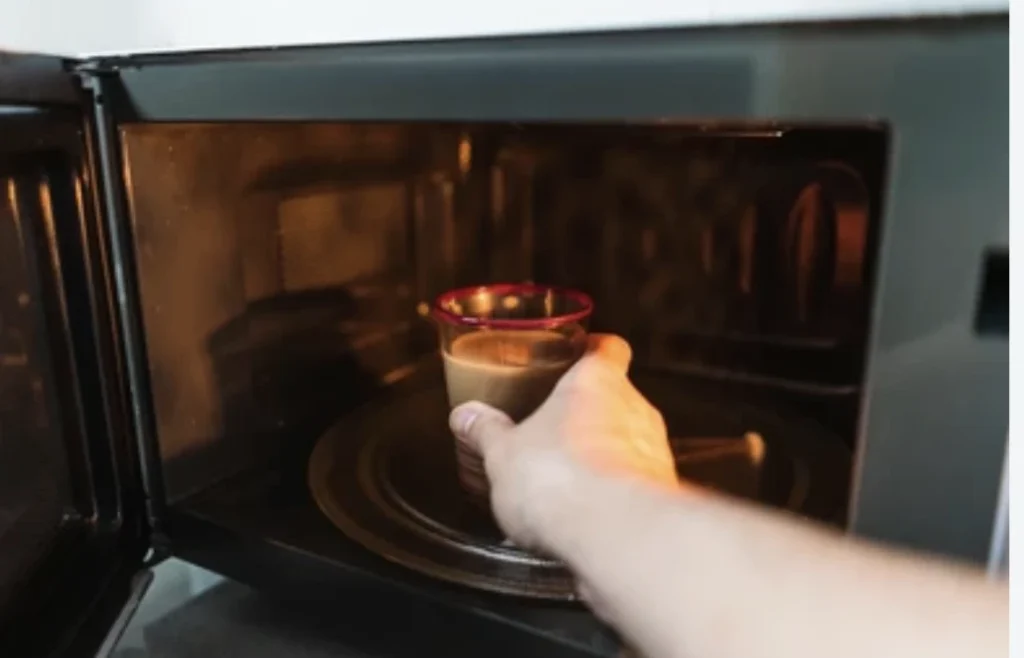
Can you microwave a glass cup? Some glass cups are microwave-safe, but many everyday drinking glasses are made from standard glass that isn’t rated for the heat stress microwaving introduces, so it’s best to check for labeling first.
Can cold glass go in the microwave? It can, but sudden temperature changes increase the risk of thermal shock. Letting cold glass sit out briefly, or starting with lower power and shorter intervals, reduces that risk considerably.
Why does glass sometimes crack in the microwave? Cracking usually comes down to uneven heating, sudden temperature changes, existing damage, or thermal stress the glass can’t absorb evenly. Microwave-safe glass is engineered to handle this better than ordinary glass, but it isn’t entirely immune under extreme conditions, which is part of why can you put glass in the microwave still deserves a quick check even with cookware you trust.
Final Thoughts – Can you put glass in the microwave
So, can you put glass in the microwave? In most cases, yes, as long as the glass is actually designed and labeled for that purpose. Microwave-safe glass, whether tempered or borosilicate, is built to handle the thermal stress that microwaving introduces, while ordinary glassware, decorative pieces, and damaged containers are considerably more likely to crack or shatter.
The safest approach is straightforward: check for microwave-safe labeling, inspect the glass for existing damage, avoid sudden temperature swings, and follow any manufacturer guidance available for the specific item you’re using. Since the answer to can you put glass in the microwave really depends on the individual container rather than glass as a category, a quick check before heating is always worth the extra few seconds — and it’s the simplest way to make sure can you put glass in the microwave stays a safe, uneventful habit rather than a costly guess.