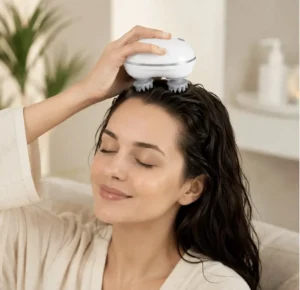
Where Should You Not Use a Massage Gun? Areas to Avoid
Introduction
A massage gun can feel like a simple, almost foolproof tool — point it at a tight muscle, let it do its work, and move on. But not every part of the body responds well to that kind of repeated percussive pressure, and knowing where should you not use a massage gun matters just as much as knowing how to use one correctly in the first place.
This isn’t about being afraid of the device. Massage gun safety really comes down to a short list of exceptions rather than a long list of restrictions, and used thoughtfully, on the right areas, a massage gun is a reasonably safe wellness tool for most healthy adults. The concern is narrower and more practical: certain structures in the body, bones, joints, nerves, blood vessels near the surface, simply aren’t built to absorb that kind of repeated impact well, and using a massage gun directly on them can cause discomfort or irritation rather than relief.
This guide walks through the specific areas worth avoiding, why each one matters, and how to use a massage gun in a way that targets muscle tissue effectively without putting more sensitive structures at risk.
Where Should You Not Use a Massage Gun?
Before getting into specific body parts, it helps to understand the general principle behind where should you not use a massage gun: the device is designed for muscle tissue, and it performs best, and most safely, when it stays over larger, fleshier muscle groups rather than bone, joints, or delicate structures close to the skin’s surface.
As a general overview, areas generally worth avoiding include:
- Directly over bones and joints
- The front of the neck and throat
- The head and face
- Open wounds, cuts, or irritated skin
- Areas with noticeable swelling or bruising
- Spots with unexplained or severe pain
- The spine itself, as opposed to the muscles running alongside it
None of this means these general body regions are entirely off-limits for any kind of massage gun use, and this list of where should you not use a massage gun is meant to guide you, not alarm you. Muscles near the neck, spine, or joints can often still be addressed safely, just not by aiming directly at the bone, joint, or sensitive structure itself. The distinction between “near” and “directly on” is really the core idea running through this entire guide.
Areas of the Body to Avoid
Several categories of tissue and injury come up repeatedly when discussing where not to use a massage gun, and it’s worth understanding the reasoning behind each one rather than just memorizing a list.
Bones and joints. Percussive pressure is designed to work with the give and flexibility of muscle tissue. Bone doesn’t absorb that impact the same way, and direct contact can feel uncomfortable or even painful rather than therapeutic. Joints, including the knees, elbows, and ankles, have limited soft tissue coverage and various sensitive structures nearby, making them a poor target for direct percussion.
The front of the neck and throat. This area contains blood vessels, the airway, and other sensitive structures positioned close to the surface. It’s generally recommended to avoid this area entirely rather than trying to judge a “safe” intensity.
The head. The skull itself doesn’t need percussive massage, and the head contains numerous sensitive structures that don’t respond well to repeated impact. Some people use very gentle attachments on jaw or scalp muscles specifically, but this requires a much lighter touch and isn’t the same as general muscle-focused use elsewhere on the body.
Open wounds, cuts, or irritated skin. Applying a vibrating device directly to broken skin can cause pain, delay healing, or introduce irritation to an already compromised area.
Areas with significant swelling. Swelling often indicates inflammation or fluid buildup related to an injury, and adding mechanical pressure on top of that isn’t generally advisable without professional guidance first.
Areas of unexplained severe pain. Pain that doesn’t have an obvious cause, like general muscle tightness from a workout, is worth having evaluated before applying a massage gun to it. Masking or working around unexplained pain isn’t the same as addressing it.
This isn’t meant as a diagnostic checklist for identifying what’s wrong with any specific area. It’s simply a reminder that certain physical signs are reasonable cues to hold off and get a clearer picture of what’s going on before continuing. Keeping this general list of places not to use a massage gun in mind covers most everyday situations without requiring you to memorize anatomy.
Can You Use a Massage Gun on Your Spine?
The spine itself is one of the clearer examples of where should you not use a massage gun directly. The vertebrae, the spinal cord, and the nerves branching out from it are protected structures that aren’t designed to handle direct percussive impact, and applying a massage gun straight onto the bony midline of the back isn’t recommended.
That said, the muscles running along either side of the spine, often the source of a lot of back tightness, can generally be addressed safely. The key is staying slightly off the bony midline and working the muscle tissue itself rather than the spine directly. Many people find that gentle, moving passes along these paraspinal muscles offer real relief without needing to go anywhere near the spine itself.
If you’re dealing with persistent back pain, especially pain that seems centered on the spine rather than the surrounding muscles, that’s a reasonable signal to check in with a healthcare professional rather than relying on a massage gun to address it. The spine is really the clearest example of where should you not use a massage gun in the entire back region.
Can You Use a Massage Gun on Your Neck?
The neck is a genuinely useful area to be careful with, since it contains a mix of muscle tissue that can often be worked safely and structures that shouldn’t be targeted directly.
The muscles at the back and sides of the neck, and the upper trapezius muscles connecting the neck to the shoulders, can generally tolerate gentle massage gun use at a low intensity setting. These areas are common sources of tension, particularly for people who spend long hours at a desk.
The front of the neck is a different story entirely, and it’s one of the more consistent answers to where can you not use a massage gun across virtually every safety guideline. This area contains the carotid arteries, jugular veins, the airway, and the thyroid gland, all positioned close to the surface with minimal muscle protection. This is an area to avoid altogether, regardless of intensity setting.
If you do use a massage gun on neck muscles, sticking to a low intensity, moving the device gently rather than holding it in place, and stopping immediately if anything feels uncomfortable are all reasonable precautions. The neck is a good reminder that where should you not use a massage gun can shift dramatically within just a few inches of the same general area.
Can You Use a Massage Gun on Your Stomach?
This is an area where caution is especially warranted, and it’s worth being honest that there isn’t strong, well-established guidance recommending massage gun use on the abdomen at all. The stomach area contains organs with comparatively little muscular or bony protection compared to areas like the thighs or back.
Some people use very light pressure attachments on the abdominal muscles specifically, but this is a more specialized use that isn’t necessarily appropriate for everyone, and it’s not something this guide can responsibly recommend as a general practice. If you’re considering using a massage gun anywhere near the abdomen, particularly if you’re pregnant, have a digestive condition, or have had recent abdominal surgery, checking with a healthcare provider first is the more sensible approach than guessing. The stomach is one of the areas where should you not use a massage gun without that kind of individual guidance first.
Can You Use a Massage Gun on an Injury?
Acute injuries call for real caution, and this is one of the more important entries on this list of where should you not use a massage gun without professional input first.
Fresh injuries, sprains, strains, and areas with noticeable bruising or swelling are generally not good candidates for massage gun use. The mechanical pressure can aggravate already-inflamed or damaged tissue, and it’s genuinely difficult for a non-professional to judge how much pressure is appropriate on an injury without proper training or evaluation.
A useful general guideline is that if you’re not confident the discomfort you’re feeling is ordinary muscle tightness rather than an actual injury, that uncertainty itself is a reason to hold off. Applying a massage gun to something that turns out to be a strain, a fracture, or another structural issue can make the underlying problem worse rather than better. When in doubt, having the area assessed by a healthcare professional before using any percussive device on it is the more responsible choice. Fresh injuries are consistently among the clearest answers to where should you not use a massage gun, regardless of which part of the body is involved.
Can You Use a Massage Gun on Varicose Veins?
Varicose veins are another area where it’s important not to offer a confident blanket answer, since this involves individual vascular health that a general wellness guide isn’t positioned to assess.
In general, applying direct percussive pressure over visibly enlarged or varicose veins isn’t something typically recommended, given the sensitivity of vein tissue and blood flow considerations. This is genuinely a situation where seeking guidance from a doctor, particularly if you have a diagnosed circulatory condition, a history of blood clots, or are on blood-thinning medication, is the appropriate next step rather than relying on general online guidance. A healthcare professional can give you advice specific to your own vascular health that a general article like this one simply can’t replicate. This is another reminder that where should you not use a massage gun sometimes depends on your individual health history, not just general anatomy.
How to Use a Massage Gun More Safely
A handful of consistent habits address most of the concerns raised throughout this guide, regardless of which specific muscle you’re working on, and they matter just as much as knowing where should you not use a massage gun in the first place.
- Use appropriate intensity. Starting at a lower speed or amplitude setting and increasing gradually, rather than defaulting to maximum intensity, gives your body a chance to signal whether something feels right.
- Avoid bones and sensitive structures. Keeping the device over muscle tissue, and off joints, the spine, the front of the neck, and other bony or sensitive areas, is the single most important habit for safe use.
- Keep the device moving. Holding a massage gun in one spot concentrates pressure in a way that’s more likely to cause irritation than moving it slowly across a muscle in passes.
- Limit duration. Shorter sessions per muscle group, generally in the range of one to two minutes, reduce the likelihood of overuse-related soreness or irritation.
- Follow manufacturer instructions. Different massage guns vary in intensity range, attachment heads, and specific usage guidance, so checking your particular device’s manual is worth the extra few minutes.
- Stop when something feels wrong. Discomfort that feels sharp, worsening, or simply “off,” rather than the general pressure of working a tight muscle, is a signal to stop rather than push through.
Signs You Should Stop Using a Massage Gun
Paying attention to how your body responds during use is more reliable than following a fixed time limit alone. A few signs consistently indicate it’s time to stop:
- Sharp pain, as opposed to the dull, generally tolerable pressure of working a tight muscle.
- Pain that increases the longer you continue, rather than easing as the muscle responds.
- Numbness or tingling, which can indicate pressure on a nerve rather than muscle tissue.
- Significant discomfort that feels disproportionate to what you’d expect from typical muscle tension.
- Unexpected swelling, either during use or appearing shortly afterward.
- Skin damage, including redness that doesn’t fade, bruising, or any break in the skin.
None of these signs are meant to cause alarm on their own, but they’re consistent, reasonable cues to stop and reassess rather than continue through them. Recognizing them in the moment matters just as much as knowing where should you not use a massage gun before you even turn it on.
When to Ask a Healthcare Professional First
Certain situations call for a conversation with a healthcare provider before you reach for a massage gun at all, rather than after something has already gone wrong, and this is really where should you not use a massage gun without that input first.
- If you have a diagnosed circulatory condition, a history of blood clots, or are taking blood-thinning medication.
- If you’re pregnant, particularly regarding use anywhere near the abdomen or lower back.
- If you have a chronic pain condition, nerve-related condition, or a recent surgery.
- If you suspect a fracture, significant sprain, or another acute injury rather than ordinary muscle tightness.
- If pain persists, worsens, or doesn’t make sense to you despite rest and reasonable self-care.
None of this is meant to replace medical advice, and this guide isn’t in a position to diagnose any individual’s specific situation, since where should you not use a massage gun can vary based on your own health history. It’s simply a reminder that a massage gun is a wellness tool, not a substitute for professional evaluation when something feels genuinely uncertain.
FAQs
Where should you never use a massage gun? Generally, directly over bones and joints, the front of the neck and throat, the head, open wounds or irritated skin, areas with significant swelling, and the spine itself are the clearest examples of where should you not use a massage gun under any circumstances.
Can you use a massage gun on your spine? Not directly on the spine itself. The muscles running alongside the spine can often be addressed safely, staying off the bony midline and working the surrounding tissue instead.
Can you use a massage gun on your neck? Muscles at the back and sides of the neck can generally be addressed gently, but the front of the neck, where major blood vessels and the airway sit close to the surface, should be avoided entirely.
Can you use a massage gun on your stomach? This isn’t well-supported as a general practice, given the limited protection over abdominal organs. If you’re considering it, especially during pregnancy or with a digestive condition, checking with a healthcare provider first is the more sensible approach.
Can you use a massage gun on bones? No. Massage guns are designed for muscle tissue, and direct use on bone is uncomfortable and not something that offers any real benefit — bones are one of the more universally agreed-upon answers to where should you not use a massage gun.
Can you use a massage gun on an injury? Generally, no, at least not without professional guidance first. Acute injuries, swelling, and bruising can be aggravated by mechanical pressure, and it’s difficult to judge safe pressure on an injury without proper evaluation.
Conclusion
So, where should you not use a massage gun? The clearest answers are bones and joints, the front of the neck, the head, open wounds or irritated skin, areas of significant swelling, and the spine itself, along with any area involved in an acute injury or an unexplained, severe pain. Muscle tissue, worked gently and kept moving rather than held in one spot, remains the appropriate target for most everyday use.
None of this is meant to make a genuinely useful wellness tool feel intimidating. The overwhelming majority of massage gun use, applied to large, healthy muscle groups at a reasonable intensity, is safe for most people, and where should you not use a massage gun is really a short, specific list rather than a reason to avoid the tool altogether. The goal of understanding massage gun areas to avoid isn’t to second-guess every session, but to recognize the specific situations, sensitive structures, injuries, or unclear pain, where it makes more sense to pause and, when needed, check in with a healthcare professional before continuing.