10 Things To Never Put in the Microwave
Introduction
Most of us treat the microwave as the most forgiving appliance in the kitchen — toss something in, hit start, and trust it to work its magic. But not everything belongs in there, and a surprising number of everyday kitchen items can cause sparking, fires, or damage that most people never see coming until it happens to them.
This isn’t about being fearful of your microwave. It’s a genuinely useful, safe appliance when you understand what it can and can’t handle. Understanding the science behind why certain materials and foods react badly makes the guidance easier to remember than a plain warning label ever could. Below is a practical rundown of things to never put in the microwave, why each one is a problem, and what you should reach for instead.
Things to Never Put in the Microwave: The Full List
Here are the 10 most common things to never put in the microwave, based on how microwaves actually work and what tends to go wrong.
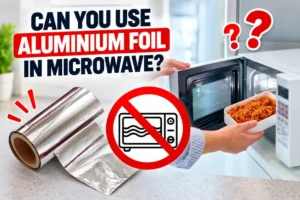
1. Metal and Aluminum Foil
People often reach for foil to cover a plate or reheat something wrapped from the fridge, assuming it’s just being used the same way it would be in an oven.
The problem is that microwaves heat food by exciting water molecules using electromagnetic waves, and metal reflects those waves instead of absorbing them. Thin or crumpled foil, and metal with points or edges, can concentrate an electrical charge intensely enough to create visible sparks.
What can happen: sparking that can ignite paper, packaging, or other flammable material inside the microwave, potentially starting a fire. It can also damage the microwave’s interior lining over time.
Risk type: Fire and appliance damage.
Use instead: A microwave-safe glass or ceramic cover, or a paper towel to prevent splatter. Foil is one of the most common things to never put in the microwave, precisely because it’s so often used out of habit rather than by design.
2. Eggs in Their Shells
Reheating a hard-boiled egg or trying to make a quick breakfast egg in the shell seems like a reasonable shortcut.
An intact eggshell traps steam as the egg heats from the inside. Because the shell and the membrane beneath it don’t allow that steam to escape quickly, pressure builds rapidly inside a sealed space.
What can happen: the egg can burst suddenly, sometimes with enough force to cause a minor injury if someone is standing close, and the eruption can even happen seconds after the microwave stops, once handled or pierced.
Risk type: Explosion (a pressure-driven burst rather than a true combustion explosion).
Use instead: Remove the shell first, or use a microwave-safe egg cooker designed to vent steam safely. Shelled eggs are a frequently cited example among things to never put in the microwave whole.
3. Grapes
Grapes sometimes end up in the microwave by accident, or out of curiosity about roasting or drying them quickly.
Grapes are small enough, and have a high enough water content and conductive mineral makeup, that they can behave similarly to two tiny antennas when microwaved close together. This can create a concentrated electrical arc between them, generating enough heat to produce plasma — a genuinely unusual reaction for a piece of fruit.
What can happen: visible sparking, arcing, and in some documented cases small flames, along with a risk of damaging the microwave’s interior.
Risk type: Fire and sparking.
Use instead: If you want warm or softened grapes, a stovetop or oven is a safer method.
4. Hot Peppers
Reheating a spicy dish containing hot peppers, or microwaving peppers directly to soften them, feels routine enough.
The concern here isn’t sparking but the release of capsaicin, the compound responsible for a pepper’s heat. When peppers are microwaved, especially in an enclosed space, they can release an irritating vapor into the air.
What can happen: the vapor can cause coughing, burning eyes, or throat irritation for anyone nearby when the microwave door opens, similar to the effect of chopping hot peppers in a poorly ventilated kitchen.
Risk type: Irritant exposure, not fire or explosion.
Use instead: Microwave dishes containing peppers with a vented cover, and open the microwave carefully, allowing steam to dissipate before leaning in. It’s a milder hazard than most things to never put in the microwave, but an unpleasant one.
5. Styrofoam Containers
Styrofoam (expanded polystyrene) takeout containers and cups often go straight into the microwave along with the leftovers inside them, simply because that’s the container the food already came in.
Not all foam containers are built to handle microwave heat. Polystyrene can begin to warp, melt, or break down at temperatures easily reached during reheating, and there’s ongoing scientific discussion about whether heated polystyrene can transfer trace chemical compounds into food, particularly fatty or oily foods.
What can happen: the container can warp, melt, or leak, and unlabeled foam should not be assumed safe just because it looks similar to microwave-safe versions.
Risk type: Container damage and potential chemical transfer, not fire.
Use instead: Transfer food to a labeled microwave-safe glass or ceramic dish before reheating. Unlabeled foam belongs on most lists of things to never put in the microwave until you can confirm what it’s rated for.
6. Plastic Containers That Are Not Labeled Microwave-Safe
Leftover containers, yogurt tubs, and takeout tubs are convenient because the food is already in them, so it’s tempting to just microwave the whole thing.
Plastic that isn’t rated for microwave use may not be formulated to withstand sustained heat. Unrated plastics can warp, soften, or release compounds into food as they break down, and this risk increases with fatty, sugary, or acidic foods, which heat more intensely and can accelerate degradation of the container.
What can happen: warping, melting, deformed containers that no longer seal properly, and possible chemical migration into your food.
Risk type: Container damage and potential chemical exposure.
Use instead: Move food to glass, ceramic, or plastic specifically labeled microwave-safe. This is one of the things to never put in the microwave that people overlook simply because it’s convenient.
7. Takeout Containers With Metal Handles or Metallic Trim
Some paperboard or plastic takeout containers include a thin metal wire handle or decorative metallic foil trim, and it’s easy to overlook this detail before reheating a meal straight from the container it arrived in.
Just like aluminum foil, any metal component reflects microwaves rather than absorbing them, and thin metal wire or trim is especially prone to arcing because of its shape and thickness.
What can happen: sparking at the metal component, which can scorch the container or ignite it if flammable packaging is nearby.
Risk type: Fire and sparking.
Use instead: Remove any metal handles or trim, or transfer the food to a microwave-safe container entirely. It’s easy to miss, which is why this ranks among the sneakier things to never put in the microwave.
8. Paper Bags
Reheating fast food or leftovers still in the paper bag they came in feels efficient, especially when you’re trying to save on dishes.
Paper bags, particularly recycled or printed ones, may contain small amounts of metal, glue, or ink that isn’t formulated for microwave heat. Paper itself is also flammable and can dry out and ignite if microwaved for too long, especially without any moist food inside to absorb the energy.
What can happen: scorching or catching fire, particularly if the bag is empty, thin, or microwaved for an extended time.
Risk type: Fire.
Use instead: Transfer food to a microwave-safe plate; save the bag for storage or trash, not reheating. Paper bags are a straightforward addition to the list of things to never put in the microwave, since the fire risk is fairly direct.
9. Travel Mugs or Insulated Containers
Reheating coffee or soup directly in a travel mug or insulated bottle seems like a natural time-saver, especially when that’s what you already poured it into.
Many travel mugs and insulated containers include a metal lining or vacuum-sealed metal layer to retain temperature, which reacts the same way as any other metal in a microwave. Even mugs without visible metal often aren’t tested or rated for microwave use, since they aren’t designed with that purpose in mind.
What can happen: sparking if metal is present, or, for sealed insulated containers, a buildup of pressure and potential rupture if heated while closed.
Risk type: Fire, sparking, or pressure-related damage, depending on the container.
Use instead: Pour the liquid into a microwave-safe mug or bowl before reheating. Travel mugs are an easy addition to a mental list of things to never put in the microwave, since their metal lining usually isn’t visible from the outside.
10. Sealed Food Containers and Jars
Reheating a sealed jar of sauce, a sealed pouch, or a container with its lid snapped tightly shut can seem like the fastest way to warm something without dirtying another dish.
As the contents heat, steam and expanding air have nowhere to go in a fully sealed container. Pressure builds until it’s released suddenly, either through a small gap or by forcing the lid or container open.
What can happen: sudden ruptures that can splatter hot food, crack glass jars, or send lids flying, sometimes with real force.
Risk type: Explosion (pressure-driven) and burn risk from hot, splattered contents.
Use instead: Loosen or remove the lid, or transfer food to an open, microwave-safe container before heating. Sealed jars round out this list of things to never put in the microwave without first breaking the seal.
What Happens When You Microwave the Wrong Things?
Microwaves work by emitting electromagnetic waves that cause water molecules in food to vibrate rapidly, generating heat through friction. This process works well for food, but it interacts very differently with metal, sealed containers, and low-water-content or irregularly shaped objects.
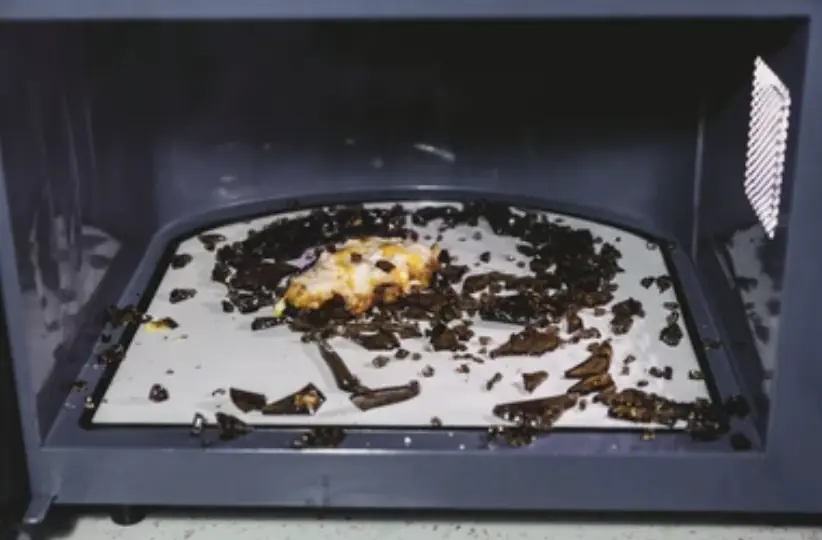
Metal reflects microwaves rather than absorbing them. When those reflected waves meet a sharp edge, thin wire, or a point, the energy can concentrate intensely enough to ionize the surrounding air, creating a visible spark or arc. If that spark meets something flammable, like paper or a dry container, it can ignite.
Sealed containers create a different kind of hazard. Instead of sparking, heat causes steam and trapped air to expand with nowhere to go, building pressure inside the container until it releases suddenly, either as a rupture, a burst, or a launched lid.
Uneven heating is another common issue, particularly with dense or irregularly shaped foods and some plastics, since microwaves don’t always penetrate evenly. This is generally less dangerous but can still result in localized overheating strong enough to warp a container or scald food unexpectedly. Recognizing which mechanism, sparking, pressure buildup, or overheating, applies to a given object is really the core idea behind most things to never put in the microwave.
How to Know if a Container Is Microwave-Safe
Before microwaving any container, a quick check can save you from a mess or worse.
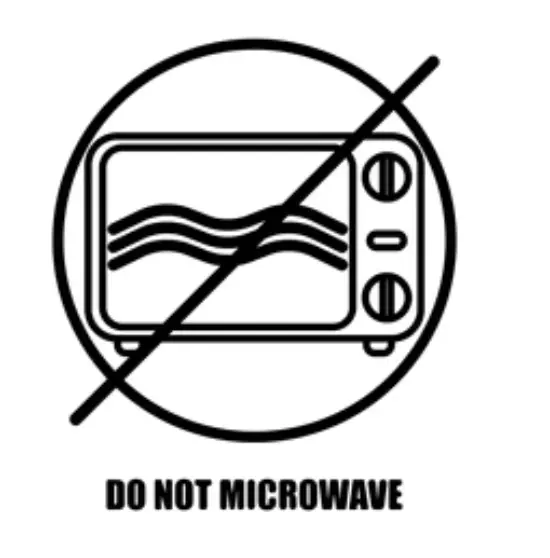
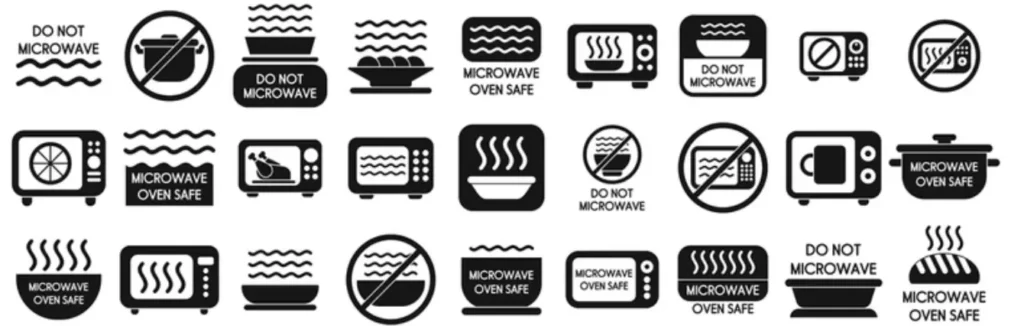
- Look for the microwave-safe symbol. It typically looks like a small square with wavy lines inside it, printed on the bottom of the container.
- Read the manufacturer’s instructions. Some containers include specific guidance, such as maximum heating time or “microwave with lid off.”
- Check the material. Glass and ceramic labeled for food use are generally safer bets than unlabeled plastic, though even glass and ceramic should be checked for metallic trim or paint.
- Inspect the container’s condition. Cracked, warped, or heavily worn plastic containers are more likely to break down under heat, even if they were originally microwave-safe.
- When in doubt, transfer the food. If a container has no visible markings and you can’t confirm its safety, it’s simpler to move the food to a container you already know is microwave-safe.
Following this quick checklist is one of the easiest ways to avoid ending up on a list of things to never put in the microwave without realizing it.
What to Do if Something Catches Fire in the Microwave
If you see flames or sparking inside the microwave, staying calm and acting quickly matters more than moving fast and carelessly.
- Keep the door closed. Opening the door feeds oxygen to the fire and can make it worse.
- Turn off or unplug the microwave, if it’s safe to reach the switch or outlet without opening the door.
- Do not use water on an appliance fire, since it can react dangerously with electrical components.
- Let the fire burn out inside the closed microwave, if it’s small and contained, since a sealed compartment with limited air will often extinguish quickly on its own.
- Use a fire extinguisher rated for electrical fires if flames escape the appliance or continue to grow, and only if you can do so safely.
- Evacuate and call emergency services if the fire spreads beyond the microwave, produces heavy smoke, or you’re unsure it’s under control.
Afterward, don’t use the microwave again until it’s been inspected, since internal damage from sparking or fire isn’t always visible from the outside. Most fire incidents trace back to one of the things to never put in the microwave covered above, so a quick post-fire review of what was inside is worth doing.
Frequently Asked Questions (Things to Never Put in the Microwave)
Can you microwave aluminum foil? It’s not recommended. Foil can spark, especially if it’s crumpled, thin, or touching the microwave’s walls, and that spark can ignite nearby materials.
Can you microwave plastic? Only plastic that is specifically labeled microwave-safe. Unlabeled or damaged plastic can warp, melt, or release compounds into food when heated.
Why can’t you microwave eggs in their shells? The shell traps steam as the egg heats, and pressure builds until the egg bursts, sometimes suddenly and with enough force to cause a minor injury.
Can you microwave Styrofoam? Only if it’s labeled microwave-safe. Unlabeled polystyrene containers can warp or melt and may not be intended for heating food.
Why do some foods explode in the microwave? Foods with a sealed skin, shell, or membrane, like eggs, whole potatoes, or sealed sausages, trap steam as they heat. Without a way for that steam to escape, pressure builds until it releases suddenly.
What containers are safest for microwave use? Glass and ceramic dishes labeled microwave-safe, along with plastic specifically rated for microwave use, are generally the safest, most reliable choices, and avoiding the things to never put in the microwave listed above covers most everyday risk.
Conclusion
Most microwave mishaps aren’t caused by faulty appliances — they’re caused by everyday items that seem harmless but interact badly with how microwaves actually heat food. From sparking metal to pressure-driven bursts in sealed eggs and jars, understanding the reasoning behind each of these things to never put in the microwave makes it much easier to avoid a scorched container or a startling pop.
The simplest habit to build is a quick check before you press start: look for a microwave-safe label, consider whether steam has anywhere to escape, and remove any metal components first. With those few seconds of caution, your microwave stays safe, your food heats properly, and you won’t need to learn any of these things to never put in the microwave the hard way.